Boho Dreamcatcher Sublimation: A Designer's Real-World Review
As a designer who has spent years stitching, digitizing, and reviewing countless embroidery files, I often find myself skeptical of digital assets that promise to bring DIY projects to life. The market is flooded with graphics labeled as "easy-to-print" or "high-quality," but the reality of how they translate into thread on fabric can be a different story entirely. When I first encountered the Boho Dreamcatcher Sublimation design, my initial reaction was one of curiosity. It sits firmly in the Crafts and Graphics categories, but does it hold up when we move from the screen to the hoop? After putting this design through a series of practical tests for custom apparel, boutique merchandise, and personalized gifts, here is my honest assessment.
The First Impression: Mood and Visual Personality
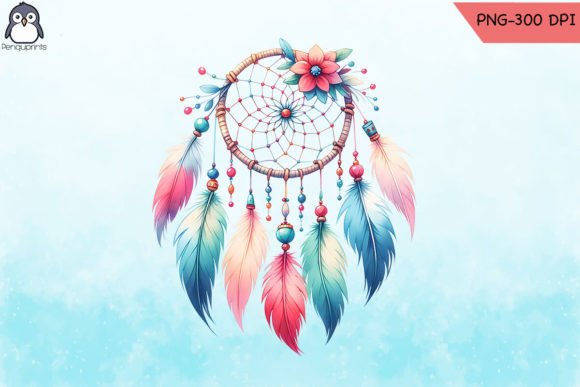
The Boho Dreamcatcher Sublimation design immediately evokes a sense of relaxed creativity. It captures that specific bohemian aesthetic that has been popular in handmade circles for years, blending spiritual symbolism with artistic flair. From a layout perspective, the composition feels balanced without being rigid. The dreamcatcher motif is central, surrounded by elements that suggest feathers, beads, and perhaps some organic flourishes typical of the style.
What stands out most is the visual personality. It isn't overly complex, which is a relief for embroidery designers who know that too much detail often gets lost in stitching. Instead, it relies on strong lines and a clear silhouette. This makes it an excellent candidate for various applications, from a small embroidered patch on a denim jacket to a larger statement piece on a tote bag. The mood is welcoming and artisanal, perfectly suited for customers looking for something unique rather than mass-produced.
Real-Life Application: Stitching the Dream
Let's talk about where this design actually shines. I recently tested Boho Dreamcatcher Sublimation on a custom embroidered tote bag project intended for a local craft fair. The goal was to create a product that felt personal and high-end. Using a satin stitch for the main outline and fill stitches for the webbing of the dreamcatcher, the result was crisp and professional.
- Custom Apparel: On sweatshirts and t-shirts, the design translates beautifully. The open spaces allow for breathability in the fabric while maintaining structural integrity. It looks particularly effective on light-colored cotton blends, where the contrast between the thread and the background creates a striking visual.
- Baby Embroidery: For nursery decor or baby clothes, the gentle curves and soft theme are ideal. It works well on onesies or crib bumper covers, provided the stitch density is adjusted to prevent bulkiness against delicate skin.
- Home Decor: I also experimented with applying the design to pillow covers and kitchen towels. Here, the design acts as a focal point. It adds a touch of whimsy to a tea towel or serves as a charming accent on a throw pillow, making it a perfect personalized gift.
For Etsy sellers and small shop owners, this design offers versatility. It can be used to create a cohesive brand identity across different products. Imagine a line of matching items: a tote bag, a cap, and a framed print, all featuring the same Boho Dreamcatcher Sublimation motif. This consistency builds trust with buyers and elevates the perceived value of your handmade product.
Where Caution is Key: Limitations and Challenges
While the design is versatile, no single file is a magic bullet for every scenario. As an experienced reviewer, I need to highlight where Boho Dreamcatcher Sublimation might struggle if not handled correctly. The primary concern lies in small hoop sizes. If you attempt to stitch this on a very small surface area, such as a tiny pocket or a miniature accessory, the intricate details may become muddy. The fine lines that give the design its character could merge together, losing the definition that makes it appealing.
Texture is another factor. On highly textured fabrics like heavy bouclé or coarse linen, the design might not lay flat. The stabilizer choice becomes critical here; using a cut-away stabilizer is usually necessary for these types of designs to prevent puckering, especially on stretchy fabrics like jersey knits. If you are working with dark fabric, you must consider the thread colors carefully. While the design itself is a graphic, the thread selection will determine whether it pops or gets swallowed by the background.
Additionally, curved surfaces like caps present a challenge. While possible, the distortion inherent in cap embroidery can alter the proportions of the dreamcatcher. You would need to adjust the digitization or use a specialized cap frame to ensure the webbing doesn't look warped. Finally, if the project requires frequent washing, such as work aprons or daily-use bags, ensure the stitch density is sufficient to withstand wear and tear without fraying.
Design Notes for the Professional Maker
Before you rush to start your next commercial embroidery project, there are several technical steps you should take to ensure success with Boho Dreamcatcher Sublimation. First and foremost, always test the design on scrap fabric. This simple step allows you to check thread color contrast and inspect small details before committing to your final product. You want to see how the satin stitch edges behave and if the running stitch elements (if present) appear clean.
Review the stitch density closely. High-density areas can cause the fabric to pucker, especially if you aren't using the proper stabilizer. Confirm your hoop size matches the design dimensions; trying to force a large design into a small hoop will lead to misalignment. It is also wise to test the design in black and white mockups to verify that the shapes remain distinct even without color information.
Don't forget to check the licensing terms. Are you allowed to sell finished items made with this digital embroidery file? Do you have the rights to modify the design for commercial embroidery purposes? These questions are vital for any Etsy seller or creative entrepreneur protecting their business. If the product description mentions iron-on transfers, remember that the conversion to embroidery requires a different approach; you cannot simply print and press the sublimation file onto fabric and expect it to function as an applique design without proper digitization.
Final Thoughts on Value and Appeal
In conclusion, Boho Dreamcatcher Sublimation is a strong asset for anyone looking to add a touch of bohemian charm to their craft business. It strikes a good balance between artistic expression and technical feasibility. When executed correctly, it enhances the visual appeal of your finished product, leading to higher customer satisfaction and repeat business. The design feels authentic and aligns well with current trends in holiday embroidery and wedding gifts.
However, success depends on the maker's attention to detail. By understanding the limitations regarding fabric texture, hoop size, and stitch density, you can avoid common pitfalls. Whether you are creating a custom tote bag design, a set of apron embroidery pieces, or a collection of embroidered patches, this design offers a solid foundation. Just remember to do your due diligence on the technical specs, choose your threads wisely, and always prioritize quality control. With the right approach, Boho Dreamcatcher Sublimation can transform from a simple digital graphic into a beloved part of your handmade portfolio.