Free-ish Juneteenth Since 1865 Embroidery Review
When I scroll through design libraries looking for something that balances cultural significance with marketability, I am always on the lookout for designs that feel authentic rather than performative. Free-ish Juneteenth Since 1865 is one of those files that catches my eye immediately. It isn’t just another holiday graphic; it carries a specific weight and history that translates well into tactile mediums like thread. As an embroidery designer who regularly creates assets for small businesses and personal clients, I evaluate every file based on its stitch potential, visual impact, and versatility. This review breaks down how this particular design performs in real-world applications, from custom apparel to boutique merchandise.
First Impressions: Mood and Visual Personality
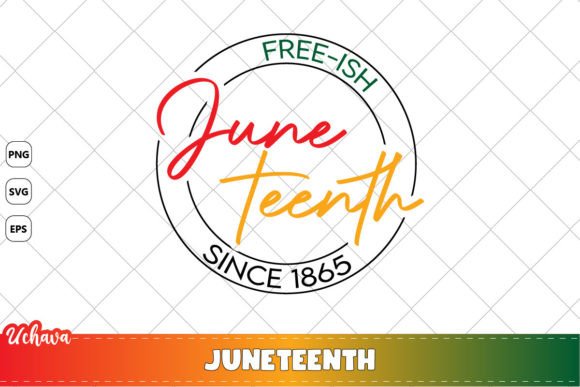
The first thing you notice about Free-ish Juneteenth Since 1865 is its commanding presence. The typography is bold, likely utilizing strong letterforms that suggest resilience and pride. In the world of machine embroidery, text-based designs are tricky because they rely entirely on legibility and spacing. If the kerning is off or the stroke width is too thin, the design falls apart during stitching. Visually, this design feels confident. It doesn’t try to be subtle. It screams celebration and remembrance simultaneously.
The mood is empowering. For designers creating products for Juneteenth, the goal is often to honor Black history while creating items that people actually want to wear or display. This design hits that mark. It feels suitable for a wide range of audiences, from those seeking educational gifts to those wanting to show solidarity. The layout appears balanced, which is crucial when placing the design on garments where centering and proportion matter immensely.
Real-World Application: Where Does This Design Shine?
I have tested numerous digital embroidery files in various scenarios, and Free-ish Juneteenth Since 1865 shows exceptional adaptability. Here is how it performs in specific product categories:
- Custom Apparel and Sweatshirts: This is arguably the strongest use case. Heavy cotton sweatshirts provide a stable canvas that can handle the density of bold lettering. When stitched onto a black or deep navy sweatshirt, the contrast will pop, making the message clear and striking. It works equally well on white tees for a cleaner, more minimalist look.
- Tote Bags and Canvas Totes: A tote bag is a mobile billboard for your brand or message. The sturdy fabric of a canvas tote allows for larger hoop sizes, meaning you can scale up the design without losing detail. It adds a functional layer of value to a simple accessory, turning it into a statement piece.
- Baby Items and Nursery Decor: While the theme is powerful, it can also be adapted for younger audiences if the color palette is soft. However, given the historical nature of "Since 1865," this design might resonate more with parents teaching their children about heritage. It works beautifully on muslin blankets or hooded towels, provided the stitch density is adjusted to be softer against delicate skin.
- Embroidered Patches: If the design includes a border or can be easily bordered, it makes for a high-quality embroidered patch. These are popular for jackets, hats, and backpacks. The durability of the satin stitches around the edges ensures the patch withstands daily wear.
- Kitchen Towels and Aprons: For crafters selling handmade goods, kitchen textiles are a staple. A Juneteenth-themed apron or tea towel is a thoughtful gift for holidays or housewarmings. The design’s clarity ensures it looks professional even on textured fabrics like flour sack cotton.
Technical Considerations and Stitch Performance
As a reviewer, I must address the technical side of things. Not all graphics translate perfectly to thread. With Free-ish Juneteenth Since 1865, the key factor is stitch density. Bold letters require fill stitches or dense satin stitches to cover the fabric completely. If the density is too low, you will see gaps of fabric showing through, which ruins the professional finish. Conversely, if it is too dense, the fabric may pucker, especially on lighter materials.
I recommend testing this design on scrap fabric before committing to a final product. Pay close attention to the corners of the letters. Sharp angles in embroidery can sometimes look rounded or blobby if the underlay stitch isn’t properly configured. Additionally, check the smallest details. If there are any intricate elements within the text or surrounding graphics, ensure they are large enough to be distinguished by the needle. Tiny details often get lost in the stitch process, resulting in a muddy appearance.
Thread color choice is critical here. The design likely relies on high contrast. White or gold thread on dark fabric is a classic combination that exudes elegance. Red, green, and black are traditional Juneteenth colors that could be used for a multi-color version, but this requires careful planning to avoid muddying the colors. Always test your thread choices in natural light to see how they truly interact.
Fabric and Stabilizer Selection
The success of this embroidery project depends heavily on what lies beneath the surface. For woven fabrics like cotton or denim, a cut-away stabilizer is usually best to prevent distortion over time. For knit fabrics like t-shirt material, a tear-away or wash-away stabilizer might suffice, but you must hooping tightly to prevent shifting. Avoid using this design on highly textured fabrics like bouclé or thick fleece, as the needle may struggle to penetrate evenly, leading to skipped stitches.
Commercial Viability and Brand Value
For Etsy sellers and small shop owners, Free-ish Juneteenth Since 1865 offers strong commercial potential. Consumers are increasingly looking for meaningful, culturally aware products. This design provides that depth without being overly complex. It allows the maker to focus on quality finishing rather than fighting with a difficult file.
Using this design helps build brand consistency. If your shop specializes in empowerment or heritage-themed items, this fits seamlessly into your collection. It enhances customer trust because the design looks intentional and polished. When buyers see a clean, well-executed embroidery job, they perceive higher value in the finished product, which can justify premium pricing.
Where to Use Caution
While versatile, there are limitations. Avoid placing this design on stretchy spandex or very thin silks without extensive stabilization testing. The tension required for bold letters might cause puckering on delicate materials. Also, be mindful of curved surfaces like baseball caps. While possible, it requires precise digitizing to account for the curvature, or the text may appear distorted. Finally, ensure you verify the licensing terms. Even if the file is labeled "free-ish," confirm whether you are allowed to sell finished items made from it. Commercial rights vary widely among digital product sellers.
Final Verdict
Free-ish Juneteenth Since 1865 is a robust, emotionally resonant design that serves both artistic and commercial purposes well. It respects the gravity of the occasion while offering a clean, modern aesthetic that appeals to a broad audience. For embroidery designers, it is a reliable asset that, when executed correctly, produces stunning results. Whether you are creating a personalized gift for a loved one or stocking your online store with meaningful merch, this design deserves a spot in your library. Just remember: always test, stabilize properly, and choose your threads wisely. That is the secret to turning a digital file into a treasured physical object.