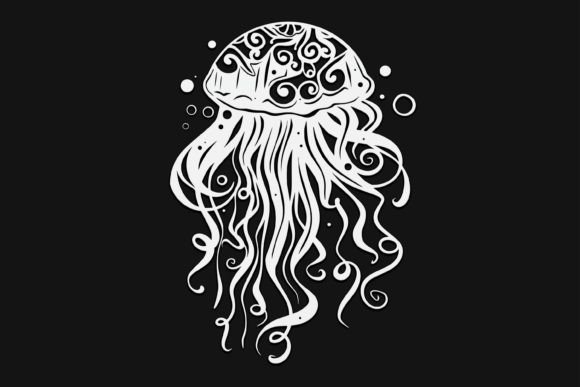
Jellyfish Mandala Drawing 157 Graphics and Laser Engraving
When I first opened the file for Jellyfish Mandala Drawing 157, my immediate thought was not just about its aesthetic appeal, but about its structural integrity as a graphic design asset. As a designer who frequently bridges the gap between digital concepts and physical production, I look for more than just pretty lines; I look for versatility. This specific illustration strikes a rare balance between organic fluidity and geometric precision. It feels less like a generic clipart image and more like a curated piece of modern design that could anchor a sophisticated brand identity or elevate a niche product line.
The visual mood is serene yet intricate. The mandala structure provides a sense of order and symmetry, while the jellyfish motif introduces softness and movement. For a client project involving wellness, mindfulness, or artisanal goods, this asset offers an instant emotional connection. It suggests tranquility without being overly simplistic. In a crowded creative marketplace, having a distinct visual element like this can help a handmade business or small business branding strategy stand out by conveying professionalism and artistic intent.
First Impressions and Visual Mood
The first thing that stands out in Jellyfish Mandala Drawing 157 is the clean negative space. In editorial design and packaging design, negative space is often the difference between a cluttered mess and a polished look. This design respects that principle. The lines are bold enough to be recognized at a glance but detailed enough to reward closer inspection. It fits naturally into themes of ocean life, spiritual growth, or bohemian aesthetics.
I envision this asset working exceptionally well for a boutique skincare line or a yoga studio’s seasonal campaign. The organic shapes align with natural ingredients and holistic practices, making it a strong candidate for brand identity projects that want to feel grounded and authentic. It does not scream for attention; instead, it invites the viewer in, which is a powerful tool for building visual trust and long-term audience engagement.
Real-World Application in Client Projects
Let’s talk about how this translates to actual deliverables. If I were preparing a concept for a local event or an Etsy shop launch, Jellyfish Mandala Drawing 157 would serve as a versatile hero graphic. Its scalability is one of its strongest features. Because it is provided in multiple formats, including SVG and PNG, it can adapt to various mediums seamlessly.
- Packaging Design: Imagine this printed on matte black cardstock for essential oil bottles or soap labels. The contrast would be striking, creating a premium feel that justifies a higher price point.
- Social Media Graphics: For Instagram posts or Pinterest pins, this illustration can act as a background element or a central focal point. It pairs beautifully with minimalist typography, allowing the message to shine without competing with the visual.
- Mercantile Products: Whether it’s a t-shirt design, tote bags, or mugs, the solid black nature of the base design ensures crisp reproduction. It works particularly well for sublimation design where color separation is critical.
- Digital Products: As a printable design or part of a design bundle, it adds value for customers looking for ready-to-use assets. It can be easily incorporated into Canva templates for bloggers or content creators who need quick, high-quality visuals.
The inclusion of DXF files also opens up possibilities for Laser Engraving. For crafters using Cricut or Silhouette machines, this vector-based structure allows for precise cutting and engraving on wood, acrylic, or leather. This expands the utility of the asset beyond digital screens into tangible, tactile products, which is a huge plus for print-on-demand sellers and physical goods manufacturers.
Strategic Placement and Hierarchy
In terms of visual hierarchy, this asset demands respect. It should not be buried in a crowded layout. Instead, it performs best when given breathing room. Large layout areas allow the intricate details to be appreciated. When used as a decorative accent, such as a border element or a watermark, it adds texture without overwhelming the primary text. However, if placed against a complex background or in a low-contrast environment, the delicate lines may get lost, diminishing the overall impact.
For logo design applications, caution is advised. While the core shape is strong, a logo needs to be legible at very small sizes, such as a favicon or a social media profile picture. Testing the asset at reduced scales is crucial. If the inner details become muddy, it may be better suited as a supporting brand element rather than the primary mark.
Practical Designer Notes for Commercial Use
Before integrating Jellyfish Mandala Drawing 157 into a final client deliverable, there are several technical checks every professional should perform. These steps ensure that the commercial design meets industry standards for quality and consistency.
- Black and White Testing: Always preview the asset in pure black and white. This helps identify any weak points in the line work or areas where the design might appear too dense. A good graphic design asset must hold up regardless of color treatment.
- Contrast Checks: Place the design on both light and dark backgrounds. On dark backgrounds, ensure the black elements do not disappear. You may need to invert the colors or add a subtle stroke to maintain visibility.
- Font Pairing: Consider how typography interacts with the organic curves of the jellyfish. A clean sans serif font can provide a modern contrast, while a script font might enhance the whimsical, hand-drawn feel. Avoid overly ornate display fonts that compete with the mandala’s complexity.
- File Inspection: Verify the transparency of the PNG version. Ensure there are no unwanted white boxes around the edges. For the SVG, check that all paths are closed and editable. This is vital if you need to adjust the scale or modify specific elements for a custom client request.
- Mockup Validation: Never rely solely on the raw file. Place the asset on real-world mockups, such as a tote bag, a certificate, or a website header. This gives you a realistic sense of how it will look in the hands of the end-user.
Final Verdict on Versatility and Value
Jellyfish Mandala Drawing 157 is more than just a pretty picture; it is a functional creative design tool. Its ability to transition from digital screens to physical engravings makes it a valuable addition to any designer’s library. It supports a wide range of industries, from wellness and lifestyle to arts and crafts.
However, success lies in execution. Designers must be mindful of context. It is not suitable for highly corporate or strictly minimalist environments where clean lines and stark simplicity are paramount. But for brands seeking warmth, intricacy, and a touch of nature, this asset delivers. It enhances marketing visuals by adding depth and character, helping businesses communicate their values through thoughtful imagery.
Ultimately, the decision to use this asset comes down to the specific needs of the project. If you are looking to create a cohesive web design or a striking sticker design that resonates emotionally with your audience, Jellyfish Mandala Drawing 157 is a strong contender. Just remember to test thoroughly, respect the visual hierarchy, and always confirm your commercial license rights before deploying it in a paid client project. Used wisely, it can elevate a standard design into something memorable and professionally crafted.