Santa Better Have Cookies PNG Review
I have spent years reviewing digital assets for embroidery projects, and I know that a pretty image on a screen does not always translate to a beautiful stitched piece. When I first saw the Santa Better Have Cookies PNG, my immediate reaction was one of amusement mixed with practical skepticism. The concept is classic holiday humor, but as a designer looking at this through the lens of machine embroidery, I had to ask: will this hold up when stitched onto fabric? Can it survive the wear and tear of a real project?
This review isn't about the marketing copy or the download speed. It is about how this design functions in the real world for small business owners, Etsy sellers, and crafters who need reliable design assets. Whether you are creating custom apparel or handmade gifts, the difference between a successful product and a disappointing one often comes down to stitch density and layout.
First Impressions and Visual Personality
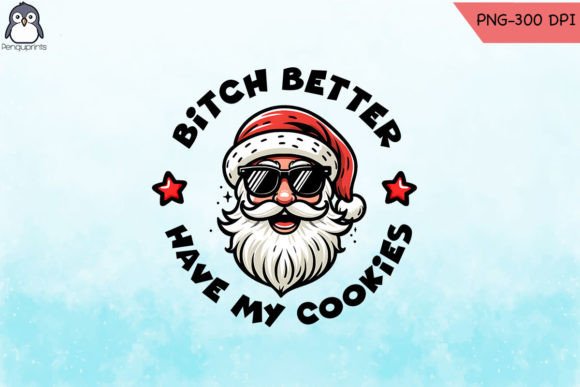
The mood of the Santa Better Have Cookies PNG is undeniably festive and playful. It captures the whimsical spirit of the holiday season without feeling overly traditional or stiff. For an embroidery designer, the initial visual appeal is crucial because it sets the tone for the finished product. This design feels like it belongs in a modern, boutique setting rather than a generic department store display.
From a graphic perspective, the layout appears balanced, which is a good sign for digitization. However, the text-heavy nature of phrases like "Santa Better Have Cookies" requires careful attention. In embroidery, lettering can easily become mushy if the spacing is too tight or if the font choice is too intricate. I imagine this design working best as a statement piece on a larger canvas, such as a kitchen towel or a tote bag, where the humor can be read clearly by anyone passing by.
Real-World Application: A Holiday Tote Bag Project
To truly test the viability of this design, I put myself in the shoes of a crafter preparing a custom embroidered tote bag for a local holiday market. Imagine you are stitching this onto a sturdy canvas bag to sell alongside your other holiday goods. The goal is to create a personalized gift that customers will actually use and cherish.
In this scenario, the Santa Better Have Cookies PNG would likely serve as the focal point. If the design is properly digitized with appropriate satin stitches for the outlines and fill stitches for the background, it could look fantastic on a neutral-colored tote. The contrast between the colorful thread and the canvas would make the phrase pop. Customers browsing a booth would stop because the message is relatable and funny. It adds a layer of personality that elevates a simple bag into a branded item.
However, consider the texture of the fabric. Canvas is rough and thick, which can sometimes cause needle deflection or uneven stitching if the stabilizer isn't robust enough. You would need to ensure that the design has enough negative space around the edges to prevent the threads from bunching up against the seams. If you are selling these bags, the presentation matters. A clean, crisp embroidery job builds trust with buyers who expect high-quality handmade products.
Navigating Technical Challenges
Not every surface is suitable for this design. While it might work well on a flat apron or a pillow cover, there are specific areas where caution is required. Small hoop sizes present a significant challenge. If you attempt to fit the entire phrase and any accompanying graphics into a 4x4 inch hoop, the details may get lost. Tiny letters can merge together during the stitching process, making the message unreadable.
Textured fabrics also pose a risk. Embroidery on fleece, terry cloth, or heavily woven materials can distort the design. The Santa Better Have Cookies PNG relies on clear lines to convey its message. If the fabric absorbs the thread or creates a wavy effect, the professional look of the finished product suffers. Similarly, stretchy fabrics like jersey require a heavy-duty stabilizer to prevent puckering. Without proper support, the design might look wrinkled even after washing.
Dense stitch areas are another consideration. If the original graphic includes large blocks of color or complex shading, converting this to a machine embroidery file requires smart decisions about stitch density. Too many stitches in one area can make the fabric stiff and uncomfortable to wear, especially on baby clothes or children's sweatshirts. You must balance the visual impact with the tactile feel of the garment.
Where to Use and Where to Pause
There are specific products where this design shines and others where it should be used carefully. On a cap or hat, the curved surface can distort straight lines. If the text curves too much, it becomes difficult to read. For these items, a smaller, simplified version of the design might be more effective. Similarly, on dark fabric, light thread colors might not provide enough contrast unless you use a specific underlay technique.
If you are planning to wash the finished product frequently, such as a kitchen towel or a child's outfit, the durability of the stitches is paramount. Designs with long floating stitches or delicate details might snag or fray over time. Before committing to a bulk order of materials, always test the design on scrap fabric first. Check the thread color contrast to ensure the message stands out against the background.
Impact on Brand and Customer Trust
For small shop owners and Etsy sellers, the quality of your design directly impacts your brand consistency. A sloppy embroidery job can undermine the perceived value of your handmade product. Conversely, a well-executed design like the Santa Better Have Cookies PNG can enhance the overall presentation. When customers receive a gift that looks professional and thoughtful, they are more likely to return and recommend your shop to others.
The design also plays a role in buyer engagement. A funny, seasonal phrase invites conversation. It makes the product shareable on social media, which is vital for creative entrepreneurs. However, this only works if the execution is flawless. A blurred or distorted logo or text can confuse buyers and lead to returns. That is why reviewing the stitch density and confirming the hoop size before production is essential.
Practical Designer Notes for Success
Before you start stitching, there are several steps you must take to ensure the success of your project. First, inspect the small details of the design. Are there any tiny elements that might disappear when reduced in scale? If you are using this for commercial embroidery, confirm the licensing terms to avoid legal issues. Make sure you have the right permissions to sell finished items made with this digital file.
Review the stitch types closely. Satin stitches should be smooth and even, while fill stitches should cover the area without leaving gaps. Running stitches can add a nice touch of detail, but they need to be placed strategically. Test the design in black and white mockups to see how the contrast holds up. This helps you visualize the final result before spending hours on the machine.
Use the proper stabilizer for your fabric type. Hoop the fabric tightly to prevent movement, and check the thread colors against the material. If you are unsure about the file formats or machine compatibility, consult the source documentation. Do not assume that a PNG file is ready for direct embroidery; it usually needs to be converted into a compatible format like .DST or .PES with the correct settings.
Ultimately, the Santa Better Have Cookies PNG offers a fun and versatile option for holiday crafting. Whether you are making a patch, a sweatshirt, or a nursery decoration, the key lies in preparation and attention to detail. By treating the design with respect and understanding its limitations, you can create finished products that delight customers and elevate your craft business. Happy stitching, and may your cookies be plentiful this season.