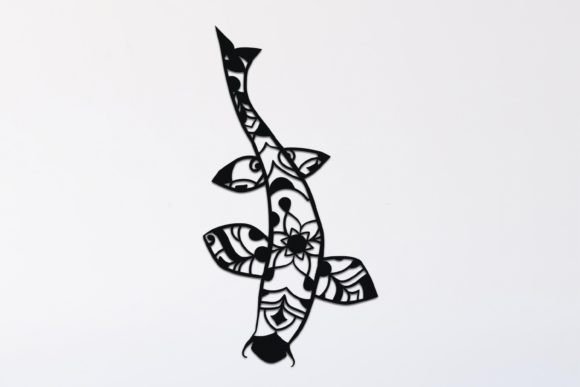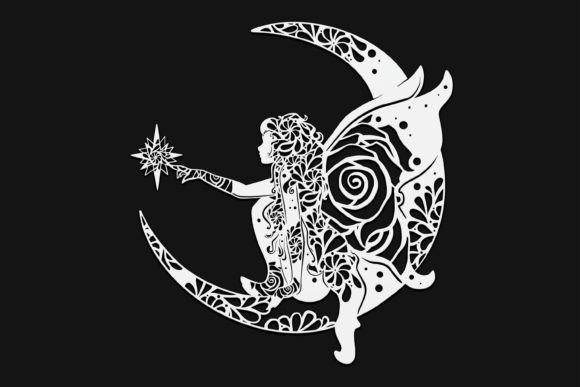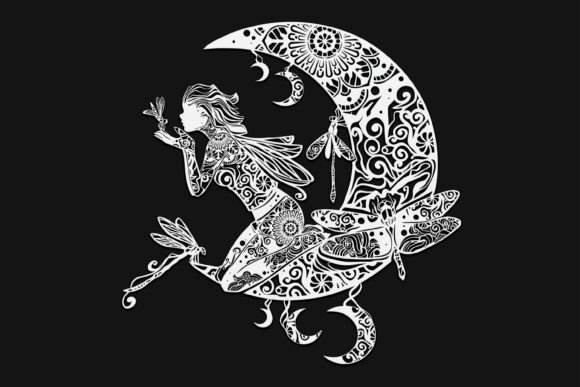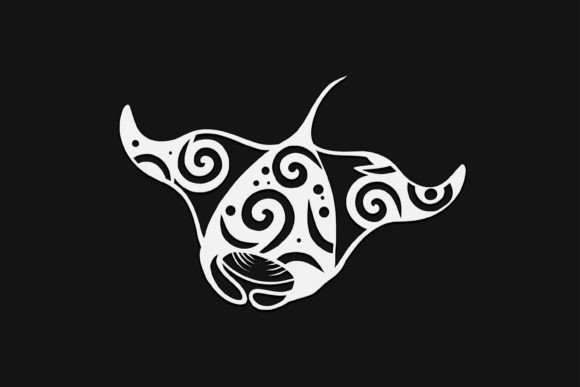
Crescent Moon Mandala Drawing 68: A Designer’s Real-World Review
When I approach a new digital asset for my embroidery studio, I am rarely looking for just "pretty." I am looking for structural integrity, stitching logic, and market viability. As a designer who has spent years refining the workflow between digital vector files and physical thread, I evaluate every embroidery file through the lens of production reality. Today, I am putting Crescent Moon Mandala Drawing 68 under that microscope to see if it holds up when pulled through an embroidery hoop.
This is not merely a graphic; it is a complex intersection of celestial imagery and geometric precision. For the Etsy seller, the craft business owner, or the small shop product creator, the question is always: does this design translate well from screen to fabric? Does it command a premium price point? Let us break down how Crescent Moon Mandala Drawing 68 performs in actual production scenarios.
First Impressions: Mood and Visual Personality
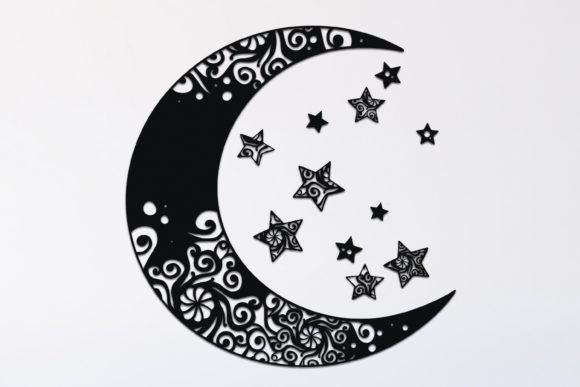
The immediate visual impact of Crescent Moon Mandala Drawing 68 is one of serene sophistication. The layout balances the organic curve of the crescent moon with the rigid, hypnotic repetition of mandala geometry. In terms of design assets, this creates a high-contrast visual hierarchy that reads clearly even from a distance. This is crucial for custom apparel where the customer might only glance at your booth table or scroll quickly through their feed.
The mood is mystical yet grounded. It avoids the overly delicate aesthetic that often fails in machine embroidery due to fragility. Instead, the lines are bold enough to suggest strength but intricate enough to feel luxurious. When I first loaded the base design into my digitizing software, I noted that the negative space is utilized effectively. This suggests that when stitched, the design will have breathing room, preventing the dreaded "stitch fatigue" where too much density makes the fabric stiff and uncomfortable against the skin.
Real-World Application: Where This Design Shines
In my experience, certain designs scream for specific applications. Crescent Moon Mandala Drawing 68 naturally aligns with products that benefit from a bohemian or spiritual aesthetic. Here is how I envision this performing in real-life projects:
- Tote Bag Embroidery: This is perhaps the strongest use case. The vertical symmetry of the mandala works beautifully on the front panel of a canvas tote. When paired with a neutral background fabric, the design becomes the focal point without overwhelming the utility of the bag. It elevates a basic tote bag design into a boutique accessory.
- Sweatshirt Embroidery: For fall and winter collections, this design fits perfectly on the chest pocket area or centered on the back of a heavyweight hoodie. The celestial theme resonates strongly with seasonal trends. The contrast between the soft fleece texture and the precise satin stitch details would create a tactile appeal that customers love.
- Baby Embroidery: While intricate, the gentle curves of the moon make this suitable for nursery decor or baby blankets. However, caution is advised here (more on that below). If used on a onesie or bib, the design must be scaled appropriately to avoid being too large for the garment.
- Embroidered Patch: The self-contained nature of the mandala makes it an excellent candidate for a standalone patch. These can be ironed or sewn onto denim jackets, beanies, or backpacks, offering versatility for the handmade product creator.
Technical Considerations and Stitching Challenges
As an experienced reviewer, I must address the potential pitfalls. Not every machine embroidery design is created equal, and complexity brings risk. Crescent Moon Mandala Drawing 68 contains significant detail, which requires careful planning during the digitizing phase.
Stitch Density and Hoop Size: The most critical factor is ensuring the stitch density is appropriate for the chosen fabric. If the design is too dense, it will pucker light fabrics like cotton tees or jersey knits. Conversely, if it is too sparse, it may look thin on heavy denim. You must confirm the hoop size requirements before attempting to stitch. If the design exceeds standard hoops, you may need to rehoop, which introduces alignment risks.
Fabric Texture and Stability: This design demands a stable base. Using a proper stabilizer is non-negotiable. On stretchy fabrics, such as athletic wear or thin t-shirts, the tension of the threads could distort the mandala’s circular symmetry. Always test on scrap fabric first to check how the thread colors interact with the material. Dark fabrics may require a cut-away stabilizer and a backing layer to prevent show-through.
Small Details and Corners: While the overall shape is robust, the inner details of the mandala pose a challenge. Tiny elements can get lost in the fuzz of wool or pile fabrics. If you plan to sell this as a commercial embroidery item, ensure your digitizing software has converted these fine lines into readable stitches, likely using a combination of running stitch for outlines and fill stitch for broader areas.
Impact on Product Value and Brand Consistency
From a business perspective, the quality of the embroidery project directly influences customer trust. A well-executed Crescent Moon Mandala Drawing 68 signals professionalism. It tells the buyer that attention was paid to detail. This is vital for brand consistency, especially if you are building a recognizable aesthetic across multiple items like kitchen towels, pillow covers, or holiday gifts.
When the stitching is clean and the registration is accurate, the finished product feels expensive. This allows you to justify higher price points. Buyers are willing to pay more for a personalized gift that looks polished rather than mass-produced. Furthermore, the unique visual personality of this design helps your craft business stand out in a saturated market. It is distinct enough to be memorable but universal enough to appeal to a broad audience.
Practical Designer Notes for Success
Before you upload this file to your production queue, follow these practical steps to ensure success:
- Mockup Testing: Use printable mockups to visualize the design on different products. Check how it looks on both light and dark backgrounds. The transparency of the SVG and PNG versions provided is helpful for this, but seeing it in black and white can help you judge contrast levels.
- Thread Color Strategy: Do not default to black thread on black fabric. Experiment with metallic golds, silvers, or deep navys to enhance the celestial theme. The right thread colors can transform a good design into a great one.
- Licensing Verification: As a digital product seller or apparel decorator, you must confirm licensing terms. Ensure you have the right to sell finished items made from this graphics file. Never assume commercial rights unless explicitly stated.
- Quality Control: Inspect the first run closely. Look for loose threads, puckering, or misaligned elements. A single flaw can lead to returns and damage your reputation as an Etsy seller.
Final Verdict
Crescent Moon Mandala Drawing 68 is a versatile and visually striking addition to any embroidery project library. Its strength lies in its balance of intricate detail and strong silhouette, making it suitable for everything from aprons to caps. However, its success depends entirely on execution. By respecting the technical requirements regarding stabilizer choice, fabric compatibility, and stitch density, you can produce a finished product that delights customers and supports your creative entrepreneurship.
If you are looking to expand your catalog with items that feel spiritual, elegant, and professionally crafted, this design is a strong contender. Just remember: the file is only half the battle. Your skill in preparation and production determines the final outcome.