Koi Mandala Drawing 159: A Designer’s Review for Real Embroidery Projects
When I browse through new design assets for my studio, I am rarely impressed by generic clip art. I am looking for something with structural integrity, clear visual hierarchy, and the ability to translate well from a screen to thread. Recently, I evaluated a file labeled Koi Mandala Drawing 159, categorized under Illustrations and Graphics. My goal was simple: determine if this digital embroidery file is viable for real-world application in my small business inventory or client commissions.
This review is not about marketing hype. It is about practical design judgment. If you are an Etsy seller, a craft fair vendor, or a hobbyist looking to elevate your handmade product line, you need to know how this design behaves before you commit to stitching it out.
First Impressions and Visual Personality
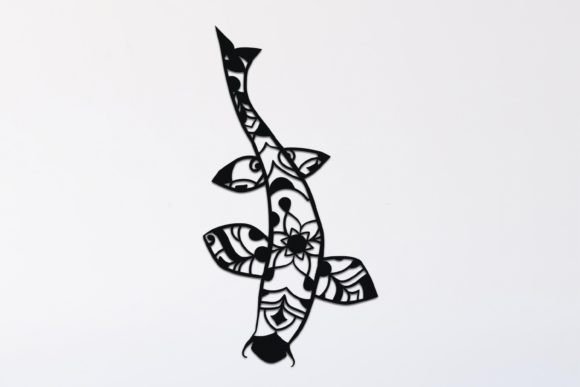
The moment I opened the preview images of Koi Mandala Drawing 159, the mood was immediately apparent. This is not a playful, cartoonish design. It carries a meditative, intricate energy that suggests high-end boutique branding. The mandala structure provides a solid geometric foundation, while the koi fish elements introduce organic flow. For an embroidery designer, this balance is critical. Pure geometric patterns can sometimes feel rigid on fabric, while purely organic designs can lack focus. This file strikes a middle ground.
The detail level is significant. In the display photos, the lines appear crisp, suggesting a design that relies heavily on precision. When evaluating such a piece, I always ask: does the eye have somewhere to rest? Yes. The concentric circles of the mandala guide the viewer’s gaze inward toward the koi motif. This makes it an excellent candidate for custom apparel where you want the garment to look curated rather than mass-produced.
Real-World Application: Where Does This Fit?
I tested the mental simulation of this design across several common embroidery project categories. Here is where Koi Mandala Drawing 159 shines:
- Tote Bag Design: This is perhaps the strongest use case. A large tote bag offers ample surface area for the mandala to breathe. The symmetry works beautifully on canvas or heavy cotton bags, creating a handmade product that feels artistic and substantial.
- Sweatshirt Embroidery: Placed over the heart or centered on the back, this design adds a layer of sophistication to casual wear. It elevates a basic sweatshirt into a statement piece suitable for commercial embroidery clients who want unique branding.
- Baby Embroidery: While intricate, the soft curves of the koi and the circular mandala shape are gentle enough for nursery decor or baby blankets. It avoids the harshness of some geometric designs, making it a thoughtful choice for personalized gift items.
- Embroidered Patch: The self-contained nature of the mandala makes it ideal for a patch. Whether attached to a denim jacket or a backpack, it functions as a standalone emblem of quality.
- Holiday Embroidery: Depending on the colorway chosen, this design has a timeless quality that fits well in autumn or winter collections, particularly for home goods like pillow covers or tea towels.
However, not every digital embroidery file suits every item. I would hesitate to use this for tiny lettering accents or very small decorative details on children’s clothing where durability is paramount. The complexity requires a certain scale to be appreciated.
Navigating Technical Challenges
As a professional reviewer, I must address the potential pitfalls. The intricate nature of Koi Mandala Drawing 159 means that stitch density will likely be higher than average. This brings specific challenges regarding stabilizer selection and fabric choice.
If you attempt to stitch this on thin or stretchy fabrics without proper support, you will encounter distortion. The mandala’s circular shape is particularly susceptible to warping if the hoop tension is uneven. I strongly advise using a cut-away stabilizer for woven fabrics and a tear-away only for stable knits, provided the design is hooped correctly. Always test on scrap fabric first to check how the thread colors interact with the base material.
Another consideration is the fabric texture. On highly textured materials like bouclé or heavy fleece, the fine details of the koi drawing may get lost. This design demands a relatively smooth surface to maintain its clarity. If you are working with dark fabric, ensure your digitizer has accounted for adequate underlay stitches to prevent the design from sinking into the pile.
Impact on Brand Value and Customer Trust
In the world of craft business and online selling, presentation is everything. A well-executed machine embroidery design signals professionalism. When a customer sees a sharp, undistorted mandala with clean edges, they perceive higher value. Conversely, puckering or missed stitches in a complex design can undermine trust.
Using Koi Mandala Drawing 159 allows you to position your shop in the "premium handmade" segment. It appeals to buyers who appreciate artistry over speed. For an Etsy seller, this means your listings should highlight the craftsmanship involved. Use high-quality photos that show the texture of the threads and the precision of the satin stitch or fill stitch work. Avoid blurry mockups; instead, show close-ups of the finished product to demonstrate that the design holds up in reality.
This design also enhances brand consistency. If your shop focuses on zen, wellness, or artistic themes, this koi motif aligns perfectly. It creates a cohesive visual language across different products, from aprons to caps. Customers remember brands that have a distinct aesthetic, and this design provides a strong anchor for that identity.
Practical Designer Notes for Execution
To ensure success with this file, follow these steps before committing to your final product:
- Check Hoop Size: Verify the dimensions of the design against your machine’s maximum hoop size. Do not attempt to oversize it beyond reasonable limits, as this can distort the aspect ratio.
- Review Stitch Density: Inspect the digitization for overly dense areas. If the fill stitches are too thick, the fabric may become stiff and uncomfortable. Adjustments might be needed for wearable items.
- Test Black and White Mockups: Before selecting thread colors, view the design in grayscale. This helps you evaluate the contrast and readability of the shapes without the distraction of color.
- Confirm Licensing: Since this is a digital product, review the license terms carefully. Determine if you are allowed to sell finished items made from this design. This is crucial for any small shop product intended for resale.
- Inspect Small Details: Zoom in on the koi scales and mandala intersections. Ensure there are no unnecessary jump stitches or loose ends that could snag during washing.
Final Verdict
Koi Mandala Drawing 159 is a versatile and aesthetically pleasing addition to any embroidery file collection. It is best suited for projects that allow for detail and require a touch of elegance. While it demands careful handling regarding stabilizers and fabric choices, the payoff in terms of visual appeal and perceived value is significant.
For the creative entrepreneur looking to expand their catalog with items that stand out, this design delivers. It transforms ordinary textiles into pieces of wearable art. Just remember: the quality of the final output depends largely on your preparation. Test thoroughly, choose your materials wisely, and let the design speak for itself. If executed well, this mandala will not just decorate a product; it will define it.