Namaste Witch Mandala Review
As a designer who spends half my life troubleshooting stitch errors and the other half trying to make handmade goods look professional, I don’t just buy embroidery files for the pretty picture. I buy them because they solve a problem or add value to a product line. When Namaste Witch Mandala Drawing 11 landed in my inbox, I didn’t immediately think about slapping it on a tote bag. I thought about the specific niche of customers who blend spiritual wellness with alternative aesthetics—the kind of people who buy crystals at farmers markets but also wear vintage band tees. This design sits right at that intersection.
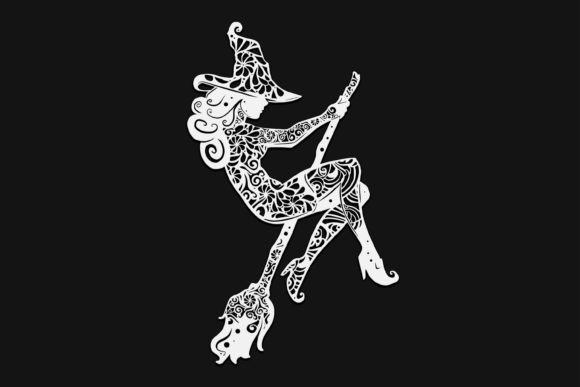
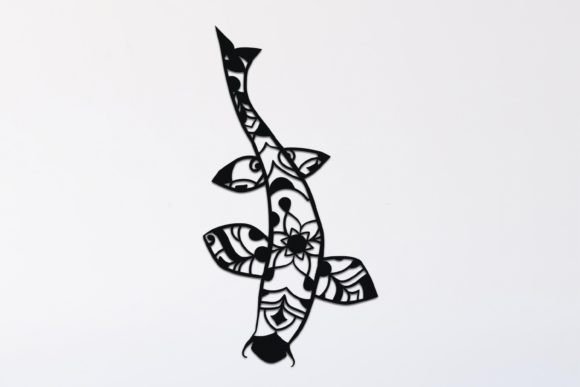
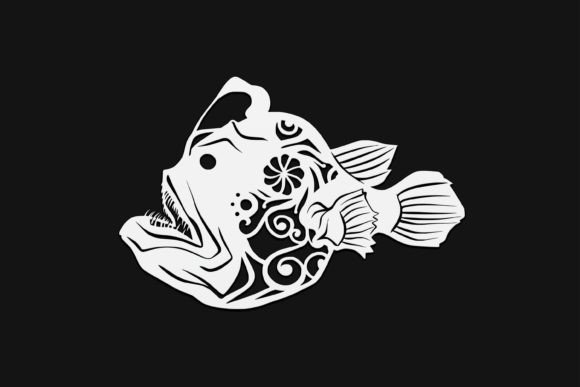
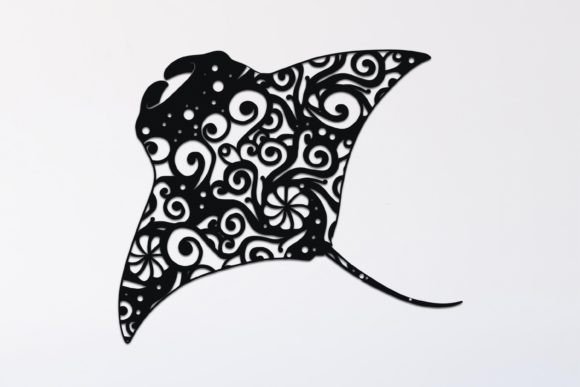
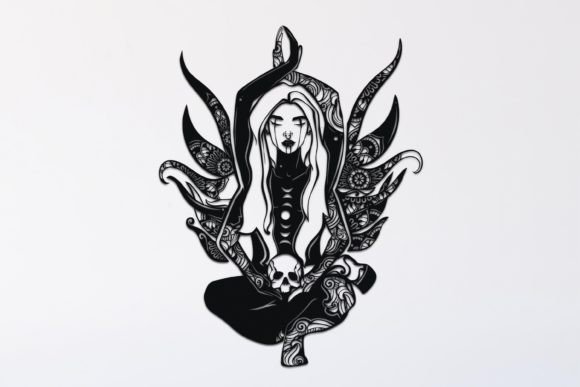
The file comes as solid black transparent SVG, PNG, and DXF versions of the base designs from the display photos. For an experienced embroiderer, starting with clean vector data is a relief. It means fewer jagged edges when scaling and a clearer understanding of how the digital asset translates into physical thread. But let’s talk about what this actually looks like when it hits the hoop.
The Visual Personality of the Design
The first thing you notice about Namaste Witch Mandala Drawing 11 is its balance. Mandalas can easily become visually noisy, turning into a blur of color and texture if the stitch density isn’t managed well. This one, however, has a deliberate rhythm. The "Namaste" element grounds the piece in modern spirituality, while the mandala structure provides the intricate detail that makes embroidery feel luxurious rather than mass-produced.
In terms of mood, it feels calm but edgy. It’s not your grandmother’s floral cross-stitch. It has a graphic quality that works exceptionally well as an applique design or as a bold center-piece on apparel. The layout suggests a circular focal point, which naturally draws the eye. For a handmade product, this visual weight is crucial. You want the customer to stop scrolling past your Etsy listing and actually look at the item. This design demands attention without shouting.
Real-World Application: The Custom Tote Bag Scenario
Let’s imagine a real project. You are preparing a batch of canvas tote bags for a local craft fair or an online boutique. You want something that appeals to the yoga community, the tarot reader, and the eco-conscious shopper simultaneously. You choose a natural, unbleached canvas tote. This is where Namaste Witch Mandala Drawing 11 shines.
Because the source files are provided in solid black, you have total control over the thread colors. If you use a high-quality cotton thread in a deep burgundy or a muted gold, the contrast against the beige canvas will pop. The mandala’s intricate lines will hold up beautifully on a sturdy fabric like canvas or denim. However, if you were to try this on a thin, sheer fabric, you would likely struggle with stability. The design has enough visual complexity that it requires a stable foundation to prevent puckering.
I also tested this mentally for a sweatshirt application. Placing the mandala centered on the back of a heavyweight hoodie creates a statement piece. The symmetry works perfectly there. But if you move it to the front left chest, you need to be careful about scale. On a small area, the fine details of the mandala might get lost unless you reduce the size significantly. In those cases, the clarity of the embroidery file becomes paramount. If the vectors aren’t clean, those tiny curves turn into muddy blobs of thread.
Where to Use It Carefully
Not every surface is created equal, and Namaste Witch Mandala Drawing 11 has limitations that every crafter should respect:
- Small Hoop Sizes: If you shrink this design too much, you lose the soul of the mandala. Avoid using this in hoops smaller than 4x4 inches unless you are okay with simplifying the outer rings.
- Textured Fabrics: While it looks great on smooth canvas or jersey, try stitching this on a chunky knit sweater or a rough burlap. The needle penetration will be inconsistent, and the stitch density may cause the fabric to pucker or distort.
- Curved Surfaces: Caps and hats present a challenge. While the circular shape of the mandala follows the curve of a cap nicely, the flat areas between the peaks and valleys can cause tension issues. Always use a curved-hooping method and proper stabilizer.
- Dense Stitch Areas: If the design includes heavy fill stitches, avoid placing it directly over seams or pockets on custom apparel. The added bulk can be uncomfortable and may cause the needle to break.
Impact on Product Value and Branding
For the Etsy seller or small business owner, presentation is everything. A well-executed embroidery project signals quality. When a customer sees Namaste Witch Mandala Drawing 11 stitched cleanly on a high-quality item, it builds trust. It says, "I paid attention to the details."
This design is highly giftable. It fits perfectly into the holiday market, wedding gifts for bohemian couples, or nursery decor for parents who appreciate unique art. The spiritual theme adds an emotional layer to the product, making it more than just a decorative object. It becomes a token of intention. This emotional connection drives higher engagement and often allows for premium pricing.
However, professionalism matters. If the thread colors clash or the stabilizer leaves visible residue, the entire aesthetic falls apart. That is why testing is non-negotiable. I always recommend creating a printable mockup first to visualize the scale, then stitching a test version on scrap fabric that mimics the final material. Check the black and white mockups to ensure the contrast holds up even if the customer prints it or uses it in a monochrome context.
Practical Designer Notes
Before you commit to a full production run, keep these steps in mind:
- Test on Scrap Fabric: Always run a test stitch-out. Watch how the machine handles the transitions between different stitch types.
- Check Thread Contrast: Ensure your chosen thread colors stand out against the fabric. Dark threads on dark fabrics can disappear, especially in detailed areas.
- Inspect Small Details: Zoom in on the digital file. Are there any tiny elements that might not register well in thread? Simplify if necessary.
- Confirm Licensing: Since this is a digital embroidery file, check the license terms carefully. Are you allowed to sell finished products? Can you use it for commercial embroidery projects? Clarity here protects your craft business.
- Use Proper Stabilizer: The right stabilizer prevents distortion. For woven fabrics, cut-away stabilizer is usually best. For knits, tear-away might suffice depending on the density.
Final Thoughts on Usability
Namaste Witch Mandala Drawing 11 is a versatile asset for any designer looking to expand their catalog. It bridges the gap between spiritual aesthetics and wearable art. Whether you are creating a personalized gift for a friend or a batch of boutique branding items, this design offers a strong visual anchor.
It works well for apparel decorators looking to add a touch of mystique to t-shirts and hoodies. It serves as an excellent tote bag design for the eco-friendly crowd. And for those selling digital product previews, the clean vector files make it easy to showcase the design in various contexts without worrying about resolution loss.
The key to success with this file is respecting its complexity. Don’t rush the stitching process. Take the time to hooper correctly, stabilize properly, and choose threads that complement the mood of the design. When done right, Namaste Witch Mandala Drawing 11 transforms from a simple graphic into a tangible piece of art that customers will cherish. It’s not just an illustration; it’s a complete embroidery project waiting to happen.
If you are ready to add a touch of mindful magic to your shop, this is a solid choice. Just remember: the difference between a good handmade product and a great one often lies in the preparation. Test, refine, and then create.