Three-eyed Skull Drawing 17: A Designer’s Review
When I first pulled Three-eyed Skull Drawing 17 onto my design screen, I didn’t just see a graphic; I saw a potential bestseller for the right kind of shop. As someone who has stitched thousands of designs and advised countless Etsy sellers and boutique owners, I know that visual appeal is only half the battle. The other half is execution. Will it stitch cleanly? Will it hold up after twenty washes? Does it scream "cheap print" or "premium handmade"? In this review, I’m breaking down how Three-eyed Skull Drawing 17 performs in real-world embroidery scenarios, from custom apparel to personalized gifts.
The First Impression: Mood and Visual Personality
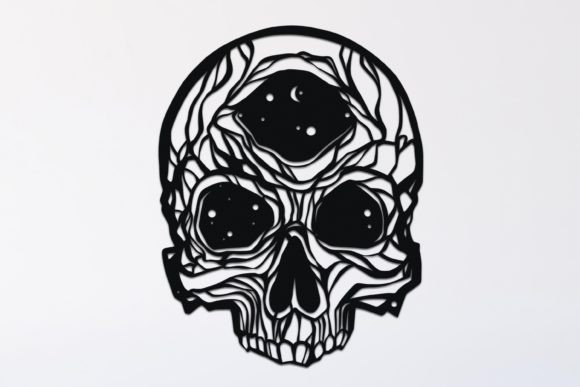
The name says it all, but the visual impact goes deeper. This isn’t your standard horror-movie skull. The addition of the third eye introduces a layer of mysticism, spirituality, or perhaps just quirky edginess. It shifts the design from purely aggressive to something more intriguing. For a designer, this is crucial because it expands the target audience. You aren’t just appealing to the punk-rock crowd; you are also tapping into the bohemian, witchy, or alternative spiritual markets.
The line work appears clean and bold, which is exactly what we want to see in an embroidery file. When translating a digital illustration into thread, complexity can often become a muddle of tangled threads. However, the structure of Three-eyed Skull Drawing 17 suggests a design that relies on strong outlines and defined negative space. This creates a high-contrast look that reads well even from a distance. It feels modern, slightly gothic, but approachable enough for a wider range of products.
Real-World Application: Where Does It Shine?
I’ve been thinking about where this design would fit best in a small business inventory. Here is how I envision Three-eyed Skull Drawing 17 performing across different product categories:
- Custom Apparel and Sweatshirts: This is the obvious winner. Placed over the heart on a black hoodie or centered on the back of a cropped tee, the design commands attention. The dark aesthetic pairs perfectly with streetwear trends. For sweatshirt embroidery, the bold lines will stand out beautifully against textured fleece or cotton blends.
- Tote Bags and Canvas Goods: A tote bag design needs to be durable and recognizable. Stitching this onto a natural canvas tote gives it a cool, artisanal vibe. It works as a standalone statement piece without needing additional text, making it a versatile handmade product.
- Embroidered Patches: Because the design is self-contained, it translates exceptionally well into a patch format. These are huge sellers on platforms like Etsy. Customers love attaching them to denim jackets, backpacks, or beanies. The "three-eyed" aspect makes for a great conversation starter at craft fairs.
- Personalized Gifts and Holiday Items: While skulls might seem niche, they are surprisingly popular for Halloween, Day of the Dead, or even as unique wedding gifts for alternative couples. Imagine a set of matching aprons for a couple who loves cooking and the macabre. Holiday embroidery doesn't always have to be festive in the traditional sense; it can be thematic.
- Baby and Nursery Decor: This is a polarizing category, but there is a growing market for "edgy nursery" themes. On a white onesie or a baby blanket, rendered in soft greys or muted purples instead of harsh blacks, this design could be quite striking. It breaks away from the typical pastel stereotypes.
Technical Considerations and Stitch Quality
As a reviewer, I must address the technical side. Not every digital embroidery file is created equal. When evaluating Three-eyed Skull Drawing 17, we need to look at stitch density and detail retention.
The eyes are the focal point. In machine embroidery, small details can sometimes get lost if the stitch density is too low or the thread tension is off. If the inner workings of the third eye are too intricate, they might merge together during stitching. My advice? Always test the zoom level. If the detail is smaller than 2mm, consider simplifying it or using a larger hoop size to ensure clarity.
We also need to talk about the fill stitches. If the skull features large areas of solid color, the underlay stitches are critical to prevent fabric puckering. On stretchy fabrics like jersey knits, a heavy fill can distort the garment. In these cases, a lighter touch or a different stabilizer choice is necessary. Conversely, on stable fabrics like denim or canvas, the design will likely lay flat and look professional.
Where to Use It Carefully
While this design is versatile, it is not a one-size-fits-all solution. There are specific scenarios where Three-eyed Skull Drawing 17 might struggle:
- Small Hoop Sizes: If you are trying to fit this into a tiny 4x4 hoop, the proportions might feel cramped. Ensure the final stitched area allows enough breathing room around the edges so the design doesn’t look cluttered.
- Textured Fabrics: Bouclé, terry cloth, or heavily woven baskets can hide the precision of the satin stitch outlines. The texture competes with the thread, leading to a muddy finish.
- Curved Surfaces: Embroidering on caps or curved hat fronts requires precise digitizing to account for the curve. If the design is flat-digitized, it may pucker when applied to a rounded surface.
- Dense Stitch Areas: Avoid placing this design next to other dense elements on the same garment. Too much thread weight in one spot can make the fabric stiff and uncomfortable to wear.
Practical Designer Notes for Success
To get the most out of this embroidery project, follow these practical steps before mass-producing your small shop product:
- Test on Scrap Fabric: Never assume a design will work perfectly on your final material. Stitch it out on a scrap of the exact fabric you plan to use. Check for thread breakage, color bleeding, or distortion.
- Check Thread Color Contrast: The description mentions a solid black base. This looks stunning on light fabrics but can disappear on dark fabrics unless you use a contrasting outline or a white underlay. Test both light and dark fabric backgrounds to see which offers better visibility.
- Inspect Small Details: Zoom in on the third eye and any fine lines. If they appear jagged or broken in your preview software, they will likely look worse in thread. You may need to adjust the stitch angle or add trim runs to sharpen the edges.
- Use Proper Stabilizer: The stability of your backing is just as important as the design itself. For custom apparel, a cut-away stabilizer is usually best for durability, especially if the item will be washed frequently.
- Confirm Licensing: Before selling finished items, double-check the license terms. Some design assets allow personal use only, while others permit commercial sales. Ensuring you have the right rights protects your craft business from legal issues.
Final Verdict
Three-eyed Skull Drawing 17 is a strong candidate for designers looking to add a bit of mystique to their collections. It balances edge with elegance, making it suitable for a wide range of commercial embroidery projects. Whether you are creating personalized gifts for clients or stocking your own Etsy listings, this design has the visual punch to stand out in a crowded marketplace.
Just remember: good embroidery is about preparation. Test your stitches, choose your fabrics wisely, and present your finished product with pride. If you handle the technical details correctly, Three-eyed Skull Drawing 17 can elevate your brand and delight customers who appreciate unique, handcrafted art.